


Equipment and Spirit Wear
Goggles
When buying a pair of goggles, take them out of the box before you purchase them. Place the rubber rims of the goggle lens against your swimmer's face. If the goggles will suction to your swimmer’s eye sockets on their own, the goggles are probably a good fit.
Goggles should be comfortable and they should not leak. If they are not, try different brands or different styles.
Typically, the first thing to dry rot or break on a pair of goggles is the strap. There are alternatives to typical straps, including low cost bungee cords that are easier for swimmers of most ages to adjust.
Buying a Competitive Suit
How tight should it be? We personally recommend that suits should fit snuggly when first tried on. After even a few practices, the water and chlorine will start to stretch the suit. If you want to use a team suit for multiple years, consider getting a practice suit off of the clearance rack and using that one on a daily basis! If a swimmer wears the same suite every day for practice, it's much less likely to make it through a second season.
Suit + Goggle Care
Soaking your suit and goggles in tap water for 5-10 minutes after each practice will greatly prolong the life of your swim gear.
Apparel
We recommend marking the tag or collar of your apparel with your swimmer's initials. Especially your swim team spirit wear, since so many people have the exact same one.
Swim Meets
What is a “heat”?
During competitions that have races, like swimming and running, athletes are divided into groups. Everyone that steps up to the diving block at the same time is part of the same group or heat.
In summer swimming, each team is allowed to place three swimmers in the first or “main heat”. These six swimmers will race; the top three will score for their age group.
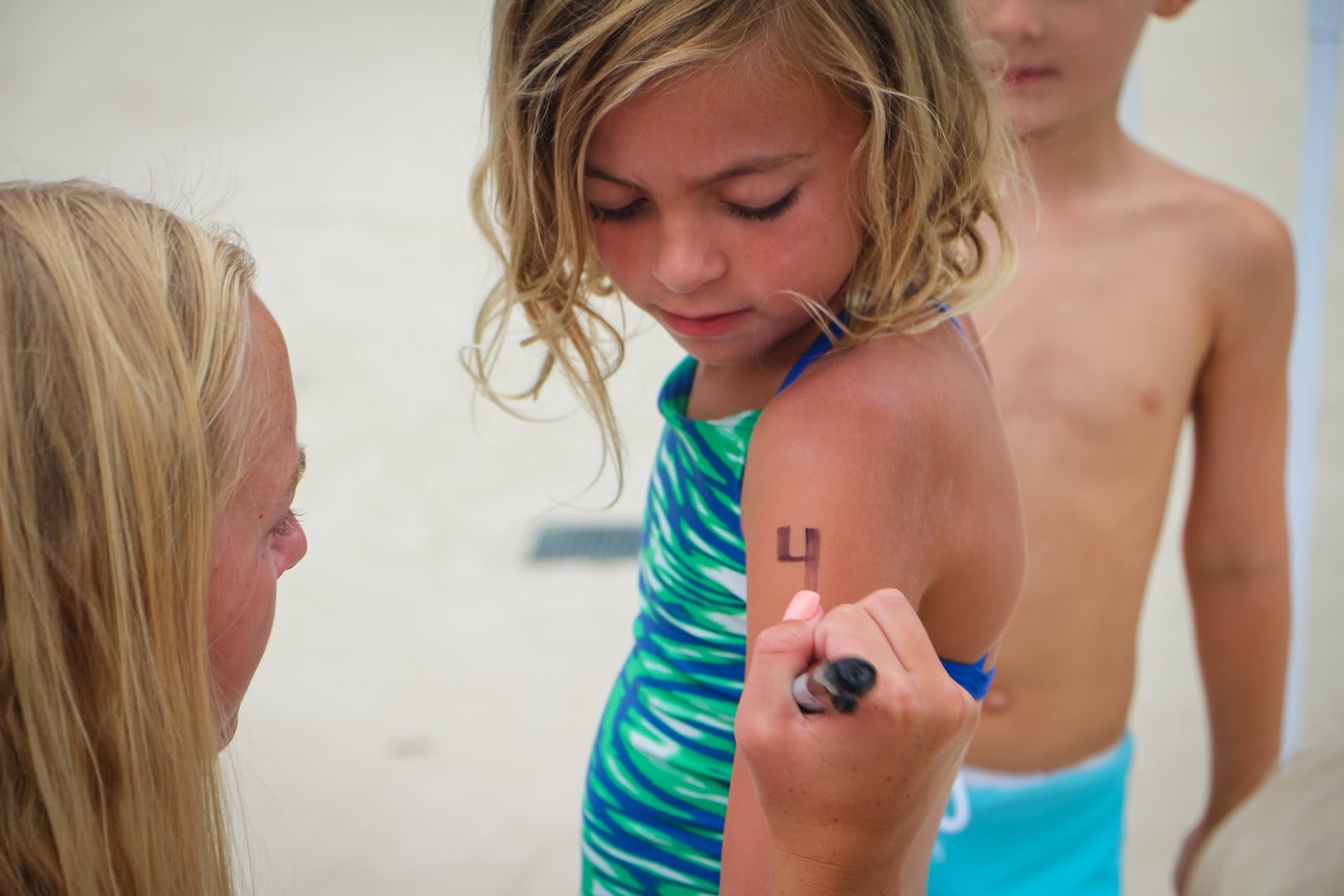
Removing permanent marker
After a meet, just spray sunscreen on your swimmer's arm and the marker will come right off!
Swimmer's Ear
What is it?
Typically, swimmer's ear is a bacterial infection in the ear canal. Water that stays in the ear fosters bacterial growth, which is painful for the swimmer.
Is it preventable?
YES! In most cases, the bacteria is not in the water, it's already in the ear. The moisture just allows the existing bacteria to grow and spread. Talk with your pediatrician or pharmacist about the easiest ways to prevent swimmer's ear. Do the same thing if your child's ear is hurting/bothering them.